In a world where the majority of customers are discovering new brands and products via online searches, there’s no doubt that digital marketing has become a must for all business types. But for local business owners like yourself, it often takes a backseat. Why? Because it takes time… and time is something you don’t always have amid your other priorities.
Key Takeaways
- Digital marketing results vary widely, but most businesses should expect to wait at least 3 months, with some strategies taking 6–12 months for consistent results.
- Key factors that influence timing include business goals, budget, competition, and existing online presence.
- Different channels produce results at different speeds: paid ads and email can work quickly, while SEO and content marketing take longer but build lasting growth.
- SEO is a long-term strategy, often requiring months to gain traction due to indexing, authority building, and content development.
- A successful strategy requires a balance of short-term wins and long-term investments, rather than relying on just one channel.
- “Results” can mean different things—traffic, leads, sales, or brand awareness—and progress typically happens gradually across these metrics.
And it’s true, credible digital marketing strategies don’t usually produce instant results… as much as we might wish they would. But when you know exactly how much time it really takes to start seeing results from your digital marketing, it helps you manage expectations and plan accordingly.
Let’s dive in.
[Related: Digital Marketing 101 — Online Advertising Basics for Local Businesses]
How long does digital marketing take to start seeing results?
The short answer: it depends.
When it comes to digital marketing, there’s really no “one-size-fits-all” timeline for exactly how long it will take your specific business to start seeing results. Overall though, we typically recommend giving it at least three months before you start getting nervous that things aren’t going to plan.
Sometimes it can take as long as six months to a year to start seeing real, measurable, and repeatable results from some of your marketing channels, though.
There are some key variables that can influence the timeline:
- Business goals: The timing depends on what you’re trying to achieve—building brand awareness, generating leads, or driving immediate sales all require different strategies and levels of effort. More ambitious or long-term goals naturally take more time to gain traction and show meaningful results.
- Budget: Your investment plays a major role in how quickly you see progress. Naturally, a larger budget allows for more aggressive campaigns, broader reach, and faster testing. On the flip side, a smaller budget may require a more gradual approach, which can extend your timeline.
- Local competition: If you’re in a highly competitive market, it may take longer to stand out and climb above competitors who are already investing heavily in their digital presence. Less crowded markets, however, can give you a quicker path to visibility and results.
- Current online presence: If you’re starting from scratch, it will take more time to build momentum compared to if your business already has an established website, reviews, and online visibility. The stronger your existing foundation, the faster your marketing efforts can start making an impact.
[Related: How to Make the Right Marketing Investments]
The timeline by channel
Not only do things like business goals, budget, local competition, and current online presence affect the speed at which you see digital marketing results, but different marketing channels can deliver results at varying speeds as well.
We’ll break them down for you.
Search engine optimization (SEO)
SEO is a classic marketing long game. It typically takes anywhere from three to six months to start seeing the initial results from your work, and then another six months to over a year for sustainable results.
Here’s why SEO takes more time:
- Indexing: Before your webpages can show up in search results, search engines need time to discover, crawl, and index your pages. This process doesn’t happen overnight, especially if your site is new or hasn’t been updated consistently.
- Authority building: Search engines prioritize trustworthy, credible websites, which means you’ll need to earn that authority over time through quality content, backlinks, and positive user signals. The more established your reputation becomes, the more visibility you’ll gain, but it’s a gradual climb.
- Content growth: Consistently creating and optimizing content helps expand your online footprint and gives search engines more opportunities to rank your site. As your content library grows, so does your ability to attract traffic. But, of course, building that momentum takes time and consistency.
For local businesses especially, SEO includes a few additional moving parts that can influence how quickly you see results. Things like optimizing and regularly updating your Google Business Profile, building consistent citations across online directories, and generating positive customer reviews all play a key role in improving your local visibility. While some of these efforts (like profile updates) can have a more immediate impact, others (like earning reviews and establishing consistency across the web) still require ongoing attention to truly see the most impact.
Paid advertising
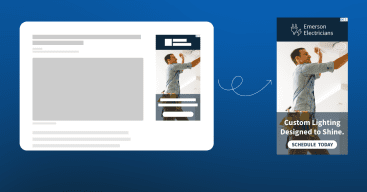
Paid advertising campaigns (search, display, and social ads) can start to produce results within weeks or even days, which makes it one of the fastest digital marketing strategies in terms of yielding results.
However, that timeframe only begins once you have your ads running and fully optimized, which can take time. Since you started your business because you’re an expert in plumbing, landscaping, or auto repair and not an expert in digital marketing, there can be a learning curve when it comes to creating paid ads. And then there’s the optimization period where you’re tweaking copy, imagery, and budgets to make sure the right kinds of customers are seeing your ads.
Paid ads aren’t just a “set it and forget it” strategy either. They require ongoing maintenance that takes more time as well.
Email marketing
Email marketing is one of the few channels that can deliver near immediate results… that is, if you already have an established list of contacts to reach out to. A well-timed campaign can quickly drive traffic, generate leads, or even spark repeat business within hours of hitting send. Why? Because people tend to trust direct email more than digital advertising.
It’s also a great tool for staying connected with your audience over time. It helps you nurture leads and turn one-time customers into loyal, repeat business. And as you continue to refine your strategy with segmentation and automation, your performance will only improve, which in turn allows you to send more targeted, relevant emails that resonate with your audience.
Ultimately, the success of your email marketing depends on the quality and size of your contact list. A smaller or less engaged list may take time to build momentum, but with consistent effort, it can become one of your most reliable marketing channels.
Content marketing
Content marketing, especially through blogs and on-site content, tends to fall somewhere in the middle when it comes to your marketing results timeline. You can expect to start seeing meaningful impact within three to nine months, depending on consistency, quality, and how well your content aligns with what your audience is actively searching for.
But what makes content especially powerful is its compounding effect over time. Each new piece of content builds on the last, helping to increase your visibility, strengthen your authority, and drive more traffic. The longer you stick with it, the more momentum you’ll gain.
Now you might be thinking, “Well, if I want to speed up my digital marketing results, I’ll just stick to paid ads and email marketing since they work the fastest.” But just because paid ads and emails yield results fairly quickly doesn’t mean that your whole digital marketing strategy can rely on these short-term wins.
Ads work by targeting customers who are already close to making a purchase, but there are plenty of others who aren’t as far along in the customer journey yet. When you put all your focus on ads, you might miss an entire portion of your audience.
The same goes for email marketing. While it’s great for engaging people who already know your business, it doesn’t do much to bring in brand-new audiences on its own. If you’re only focusing on email, you’re primarily speaking to the same group of contacts over and over again—rather than consistently expanding your reach and filling the top of your funnel with new potential customers.
To have the most success with your digital marketing, you need to strike a balance between short- and long-term strategies.
[Related: Understanding the Buyer’s Journey]
What “results” really means
We’ve been discussing at length how long it takes to see results from your digital marketing channels, but we haven’t defined what “results” might actually mean for you and your local business.
Here are a few different types of results you might be tracking:
- Traffic: The number of people visiting your website or landing pages as a result of your marketing efforts. An increase in traffic is often one of the first signs that your strategy is starting to gain traction.
- Leads: Leads are potential customers who have shown interest in your business—whether that’s by filling out a form, calling your business, or signing up for emails. Generating consistent leads is a strong indicator that your marketing is not just attracting attention but driving action.
- Sales: Ultimately, one of the most important results is actual revenue generated from your marketing efforts. While sales can take longer to build, they’re the clearest measure of how well your strategy is converting interest into real business.
- Brand awareness: Not all results are immediate or directly tied to conversions—sometimes it’s about getting your name out there. Increased visibility, recognition, and familiarity with your brand can pay off over time as more customers begin to trust and choose your business. And studies show that 81% of consumers need to trust a brand before making a purchase.
It’s important to remember that not every result will happen all at once… and that’s okay. Breaking your larger goals into smaller, more manageable milestones helps you track progress along the way, stay motivated, and make smarter adjustments as your strategy continues to build toward long-term success.
[Related: 5 Types of Digital Marketing That Get Results For Small Businesses]
Why local businesses may experience different timelines
When it comes to digital marketing, local businesses often play by a slightly different set of rules—which can work in your favor sometimes. In some cases, a smaller geographic service area means less competition, allowing you to gain visibility and traction more quickly than a national brand competing on a much larger scale.
Another key factor is your local reputation. Reviews, ratings, and customer feedback can significantly influence how quickly potential customers choose your business (93% of consumers say reviews impact their purchase decisions), making them a powerful driver of results—especially for search and local listings.
Community engagement also plays a meaningful role in your results timeline. Staying active in your local area—whether through events, partnerships, or social interaction—can help build trust and recognition faster, supporting your digital marketing efforts and helping you see results sooner.
[Related: How Hibu One Maximizes Your Local Business Marketing ROI]
Partner with Hibu to get digital marketing results that last
The bottom line is that good digital marketing strategies take time—and for most local business owners, that’s time you’re not spending running your business. To speed up the process, consider working with a digital marketing partner like Hibu. We won’t promise instant results by any means (like we said, good digital marketing takes time!), we do already have the know-how necessary to:
- Correct and protect your business listings
- Set up and optimize your ad campaigns
- Create an SEO-friendly and industry-specific website
- Track all your results so you know exactly what’s working
And that kind of expertise alone saves you valuable time that you can put back into doing what you do best.
Our fully integrated platform—Hibu One—has everything a local business needs to manage its digital marketing. Want to see for yourself? Take a Hibu One tour or request a Hibu One demo today.